Cannabis products come in many forms, from traditional dried flowers to oils, waxes, and other concentrated extracts. Among these options, weed caviar stands out for its distinctive appearance, rich texture, and high concentration of cannabinoids. Often associated with premium cannabis products, weed caviar combines cannabis flower with concentrated extracts to create a product that differs from conventional buds.
For beginners exploring the world of cannabis concentrates, understanding what weed caviar is, how it is made, how it compares with other products, and what precautions to consider can provide a helpful starting point. This guide explores the essential facts about weed caviar and its place among modern cannabis products.
What Is Weed Caviar?
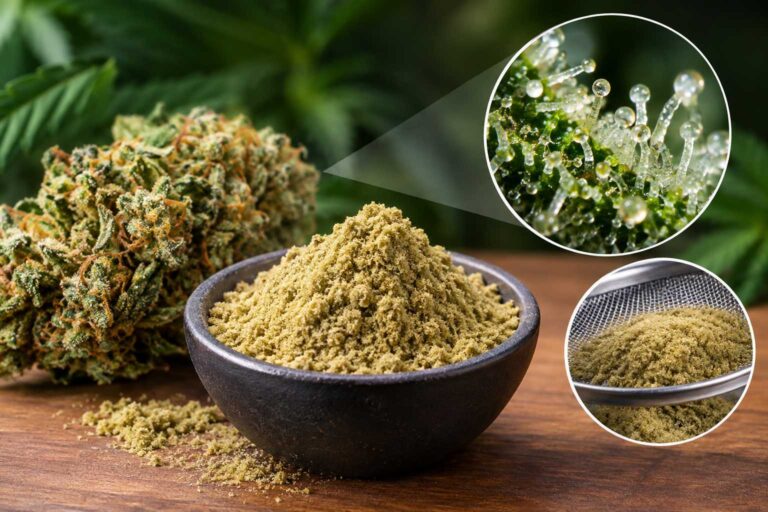
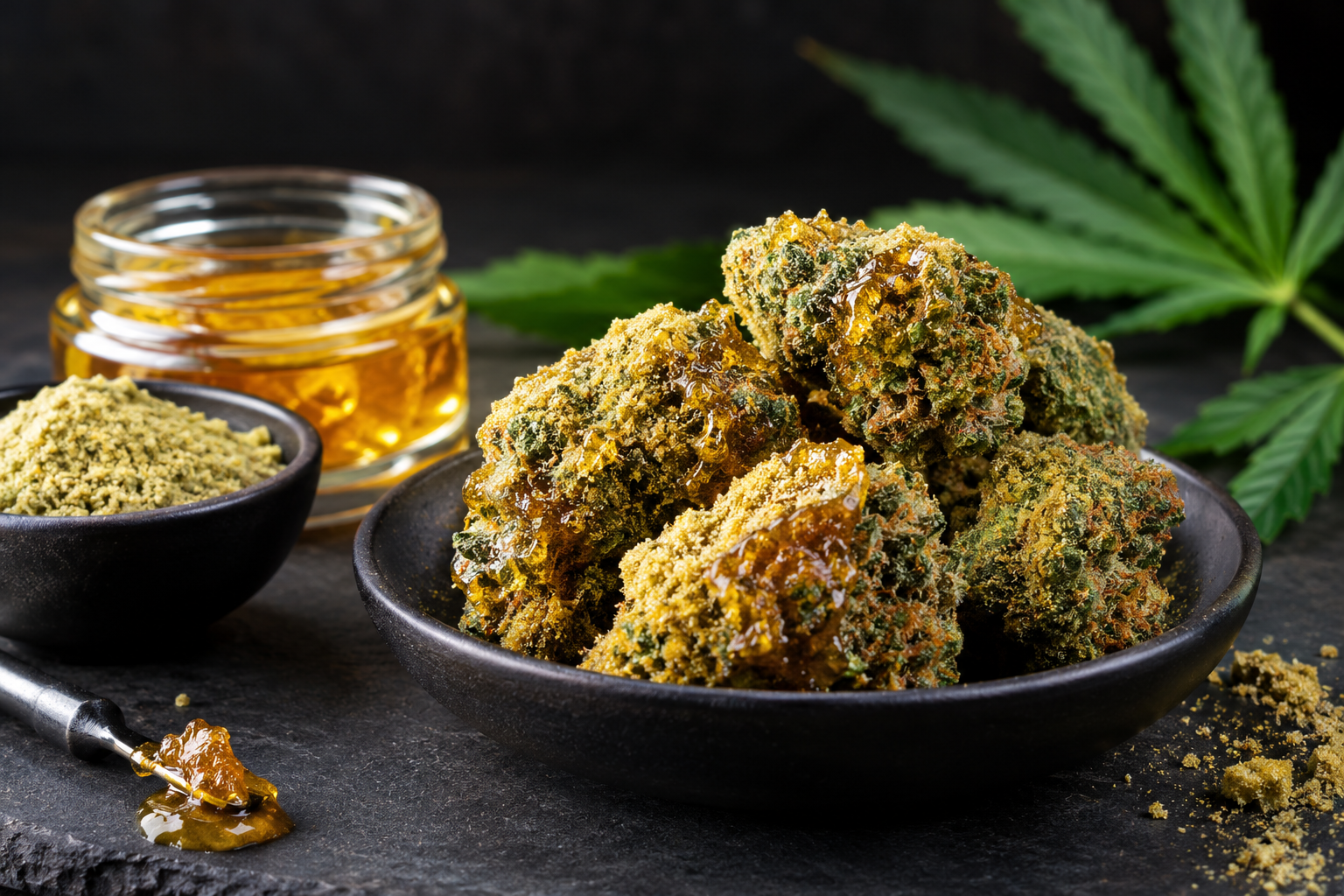
Weed caviar, also known as cannabis caviar, is a concentrated cannabis product typically made by coating cannabis flower with cannabis oil or another extract. Some varieties are also covered with kief, a collection of fine resinous trichomes containing cannabinoids and aromatic compounds.
The result is a flower-based product with an additional layer of concentrated cannabis material. Depending on the ingredients and production method, weed caviar may have a sticky exterior, a darker or glossy appearance, and a more substantial texture than ordinary cannabis buds.
One of its defining characteristics is its potentially high THC concentration. THC, or tetrahydrocannabinol, is the primary intoxicating compound in cannabis. Because weed caviar combines flower with concentrated extracts, its potency can be considerably greater than that of conventional cannabis flower.
However, the exact composition varies between products. The term weed caviar is not a guarantee of a specific THC percentage, quality standard, or manufacturing process.
How Is Weed Caviar Made?
Weed caviar is generally produced by combining cannabis flower with concentrated cannabis extracts. Although methods differ between manufacturers, the process typically involves several key components.
1. Selecting Cannabis Flower
The foundation of weed caviar is cannabis flower. Producers may select buds based on their appearance, aroma, cannabinoid profile, and overall quality. The characteristics of the flower influence the final product’s scent, texture, and composition.
2. Adding Cannabis Concentrate
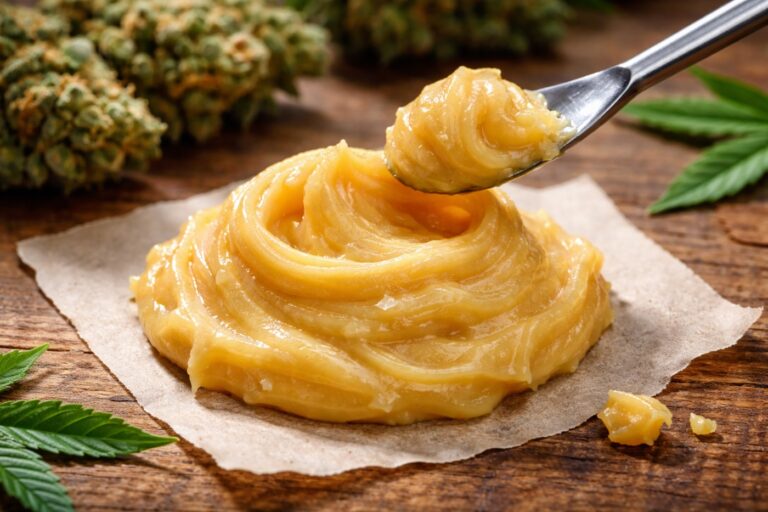
A cannabis extract is applied to the flower, creating a coating that contains additional cannabinoids and aromatic compounds. Depending on the product, the extract may include cannabis oil or another type of concentrate.
The extract contributes to the product’s sticky surface and may substantially increase its overall cannabinoid concentration.
3. Applying Kief or Other Finishing Materials
Some varieties receive an additional coating of kief. Kief consists of detached trichomes, the tiny resin-producing structures found on cannabis flowers. These structures contain cannabinoids and terpenes, which contribute to cannabis’s effects and aroma.
Not every weed caviar product includes kief, so the final appearance and composition can vary.
Commercial products may use different formulations and processing techniques. Consumers should look for clear ingredient information and appropriate laboratory testing rather than assuming all weed caviar is made in the same way.
What Makes Weed Caviar Different from Regular Cannabis Flower?
The most noticeable difference is the additional concentrate coating. Regular cannabis flower consists primarily of dried buds, while weed caviar incorporates concentrated cannabis material.
This difference can affect several characteristics:
- Potency: Weed caviar may contain more THC than conventional flower, although the actual concentration depends on the formulation.
- Texture: The extract coating can make the surface sticky, glossy, or resinous.
- Appearance: Some products look darker or shinier than ordinary buds, particularly when they include an outer layer of concentrate.
- Aroma: The combined flower and extract may produce a more pronounced or complex scent, depending on the terpene content.
- Price: Products marketed as premium concentrates may cost more because of their ingredients and manufacturing requirements.
These characteristics are not universal. Product quality depends on the starting materials, extraction methods, storage conditions, and manufacturing standards.
Weed Caviar vs. Moon Rocks: What Is the Difference?
Weed caviar is frequently compared with moon rocks because both products combine cannabis flower with concentrated materials.
Moon rocks are commonly made by coating cannabis buds with cannabis oil and then covering them with kief. Weed caviar can follow a similar approach, but the terminology is not consistently standardized across the cannabis market.
Some sellers use the names interchangeably, while others distinguish between products according to their ingredients, appearance, or manufacturing methods.
As a result, the name alone may not tell you whether a product contains kief, which extract was used, or how potent it is. Checking the product description and laboratory results is more reliable than relying on marketing terminology.
Understanding the THC and Terpene Content
Two important components to understand when learning about weed caviar are THC and terpenes.
THC is responsible for many of cannabis’s intoxicating effects. Depending on the dose, individual sensitivity, and product composition, these effects may include altered perception, relaxation, euphoria, impaired coordination, and changes in attention. Higher exposure can also trigger anxiety, confusion, or an uncomfortable experience.
Terpenes are aromatic compounds found in cannabis and many other plants. They contribute to distinctive scents, such as earthy, citrusy, herbal, or fruity notes. Their presence and concentration depend on the cannabis variety and processing conditions.
Although both cannabinoids and terpenes contribute to a product’s characteristics, aroma alone cannot establish potency, purity, or safety. Independent laboratory testing provides more useful information about cannabinoid levels and potential contaminants.
Potential Risks and Safety Considerations
Because weed caviar can contain concentrated THC, it may carry greater risks than lower-potency cannabis products. Beginners should be particularly cautious about assuming that a small-looking product contains a small amount of THC.
Potential adverse effects include dizziness, increased heart rate, impaired judgment, anxiety, panic, and temporary difficulties with memory or coordination. High-THC products may also increase the risk of severe psychological distress in susceptible individuals.
A few precautions are worth keeping in mind:
- Check the THC content and available laboratory testing before evaluating a product.
- Avoid combining cannabis with alcohol or other intoxicating substances.
- Do not drive or operate machinery after cannabis use.
- Keep cannabis products securely stored away from children and pets.
- Avoid cannabis during pregnancy and breastfeeding, and seek qualified medical advice if you have concerns about its effects on your health.
- Remember that cannabis laws differ by location, and some products may be prohibited even where other cannabis products are permitted.
People who are inexperienced with cannabis should be especially wary of high-potency concentrates. There is no guarantee that a product marketed as premium or natural is safe.
How Should Weed Caviar Be Stored?
Proper storage helps preserve the quality of cannabis products and reduces the risk of contamination.
Weed caviar should be kept in a clean, airtight container appropriate for the product. A cool, dry environment away from direct sunlight and excessive heat can help limit degradation. Temperature changes and exposure to air may affect the aroma, texture, and stability of cannabinoids and terpenes.
It is also important to avoid introducing moisture or handling the product with dirty hands. Follow the manufacturer’s storage instructions, particularly if the product contains ingredients that require specific conditions.
Secure storage is essential. Use child-resistant packaging where available and keep the container locked away from children, pets, and anyone who should not have access to it.
Is Weed Caviar Suitable for Beginners?
Weed caviar is generally not an ideal starting point for someone new to cannabis because its THC concentration can be high and difficult to assess by appearance alone.
Beginners may find it challenging to predict the intensity or duration of its effects, particularly when the product lacks reliable potency information. Individual responses also vary according to tolerance, health, and other factors.
Anyone researching weed caviar should prioritize accurate product labeling, independent testing, local legal requirements, and an understanding of the potential risks. People with underlying health concerns should consult a qualified healthcare professional before considering cannabis products.
Final Thoughts
Weed caviar is a cannabis product that combines flower with concentrated extracts, sometimes including an additional coating of kief. Its distinctive appearance, resinous texture, and potentially high THC content set it apart from conventional cannabis flower.
Although it is often marketed as a premium concentrate, weed caviar can vary significantly in composition, potency, and quality. Understanding its ingredients, recognizing the difference between marketing terms and verified product information, and being aware of potential risks are essential for making informed decisions.
For anyone beginning to explore cannabis concentrates, knowledge is more valuable than appearance or reputation. Reliable testing, responsible storage, and awareness of local laws provide a stronger foundation for understanding products such as weed caviar.
About the Author