
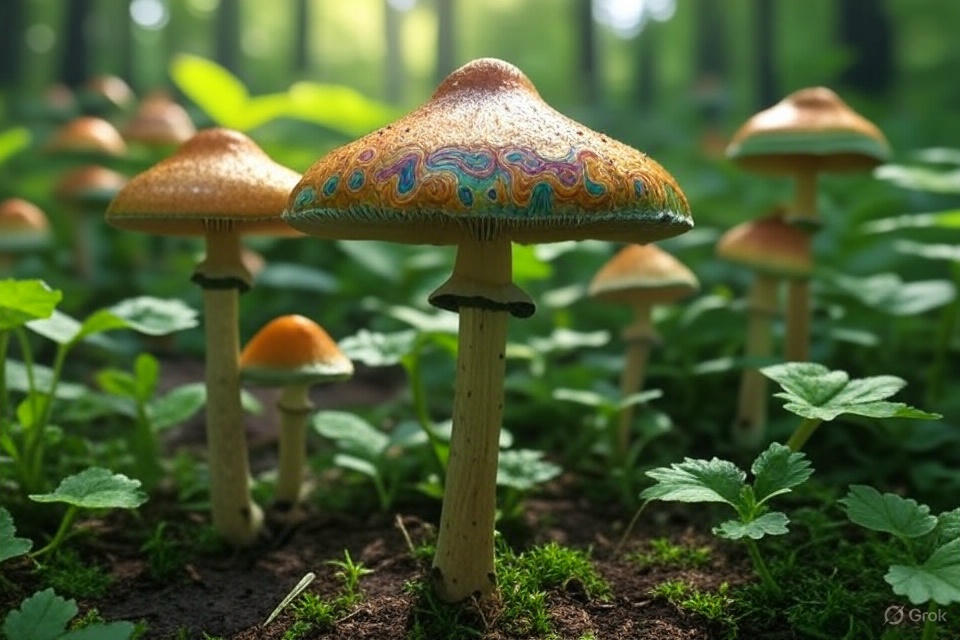
Psilocybin mushrooms, commonly known as magic mushrooms, are naturally occurring fungi that contain a psychoactive compound called psilocybin. These mushrooms have attracted attention because of their ability to influence perception, emotions, thoughts, and overall awareness. They have been used in traditional cultural practices for centuries and are now being studied by researchers to better understand their possible effects on the brain and mental health.
Although psilocybin mushrooms are often discussed in connection with altered states of consciousness, their effects can vary significantly from one person to another. Understanding how they work, their potential benefits, possible risks, and their impact on the mind is important when learning about these naturally occurring substances.
What Are Psilocybin Mushrooms?
Psilocybin mushrooms are a group of fungi that naturally produce psilocybin. After entering the body, psilocybin is converted into psilocin, the compound primarily responsible for its psychoactive effects.
Psilocin interacts with serotonin receptors in the brain, particularly the 5-HT2A receptor. Serotonin is a chemical messenger involved in regulating mood, sleep, emotions, and several other important functions.
Because of this interaction, psilocybin can temporarily change how different areas of the brain communicate. These changes may influence sensory experiences, emotional responses, thinking patterns, and the perception of time and surroundings.
How Do Psilocybin Mushrooms Affect the Brain?
One of the most interesting aspects of psilocybin research is its influence on brain activity. Under normal conditions, different brain networks work together in organised patterns. Psilocybin can temporarily change these communication patterns.
Researchers have observed that psilocybin may increase communication between brain regions that do not usually interact as frequently. At the same time, it can affect the activity of networks associated with self-reflection and the sense of identity.
These changes may contribute to unusual experiences, including:
-
Changes in visual and auditory perception.
-
Different ways of processing thoughts and emotions.
-
Altered awareness of time and surroundings.
-
Increased emotional sensitivity.
-
A temporary feeling of connection with people or the environment.
However, these experiences are not always positive. Some individuals may experience confusion, fear, anxiety, or uncomfortable thoughts.
Potential Effects on Mood and Emotional Well-Being
Psilocybin has received considerable research attention because of its possible relationship with emotional well-being. Scientists are investigating whether it could have a role in supporting people experiencing certain mental health conditions.
Some clinical studies suggest that psilocybin-assisted therapy may help reduce symptoms of depression in carefully selected patients. Researchers believe its effects on brain communication and emotional processing may contribute to these findings.
Participants in some studies have also reported changes in their emotional perspectives, including greater openness and an improved ability to reflect on difficult experiences.
However, it is important to understand that these findings come from controlled research environments. Psilocybin is not an established self-treatment for depression or other mental health conditions. More research is needed to understand its long-term effectiveness and safety.
Changes in Perception and Sensory Experiences
Another well-known effect of psilocybin mushrooms is their ability to influence sensory perception. People may notice changes in how they see, hear, or experience their surroundings.
Colours may appear more vivid, patterns may seem unusual, and ordinary sounds may feel different. Some individuals also report visual distortions or experiences that feel dreamlike.
The perception of time can change as well. A short period may seem much longer, while familiar surroundings may appear unfamiliar.
These effects are connected to changes in how the brain processes and interprets sensory information. Their intensity and nature can differ considerably between individuals.
Possible Effects on Creativity and Thinking
Psilocybin has also attracted interest because of its potential influence on creative thinking and mental flexibility.
Some research suggests that changes in communication between brain networks may allow individuals to approach thoughts and experiences from different perspectives. This could help explain why some people describe unusual associations, fresh ideas, or different ways of looking at familiar situations.
There is also growing scientific interest in how psilocybin may influence cognitive flexibility, which refers to the ability to adapt thinking when circumstances change.
However, these effects should not be confused with proven improvements in creativity or problem-solving. Research is still developing, and individual experiences can vary widely.
Potential Risks and Side Effects
Despite the growing interest in psilocybin, it is important to recognise that these mushrooms can produce unwanted physical and psychological effects.
Common short-term effects may include:
-
Nausea and digestive discomfort.
-
Increased heart rate and blood pressure.
-
Dizziness and headaches.
-
Anxiety, panic, or confusion.
-
Difficulty distinguishing unusual perceptions from reality.
-
Changes in coordination and judgement.
In some cases, individuals may experience intense fear or distressing psychological reactions. People with a personal or family history of psychotic disorders may face additional risks.
There is also a possibility of persistent psychological difficulties, including ongoing visual disturbances or prolonged anxiety.
Another concern is mushroom identification. Some poisonous mushrooms resemble psilocybin-containing varieties, and accidentally consuming the wrong species can cause severe poisoning.
Why Is Scientific Research on Psilocybin Growing?
Scientists are increasingly interested in understanding how psilocybin interacts with the brain and whether it could contribute to future mental health treatments.
Clinical research is examining its potential role in conditions such as depression, anxiety associated with serious illness, and certain forms of addiction.
In these studies, psilocybin is generally investigated alongside professional psychological support in carefully controlled settings. Researchers monitor participants and evaluate both short-term responses and longer-term outcomes.
Although early findings have generated interest, larger studies are necessary to establish its safety, effectiveness, appropriate clinical applications, and possible limitations.
Final Thoughts
Psilocybin mushrooms can influence the brain in several ways, affecting perception, emotions, thinking patterns, and sensory experiences. Scientific research has also highlighted their potential role in future mental health treatments, particularly when studied alongside professional therapy.
However, their effects are unpredictable, and they carry physical and psychological risks. Understanding both the possible benefits and limitations is essential when exploring psilocybin. Continued scientific research will help provide a clearer picture of how these compounds work and whether they have a safe and meaningful place in modern medicine.
About the Author


