Cannabis concentrates have become increasingly popular as consumers look for stronger effects, cleaner flavors, and more efficient ways to enjoy cannabis. Among the many types of concentrates available today, cannabis budder (also called butter or badder) stands out for its creamy texture, high potency, and versatility. If you’re new to concentrates or curious about budder specifically, this guide will walk you through what it is, how it’s made, how strong it is, and the most common ways people use it.
What Is Cannabis Budder?
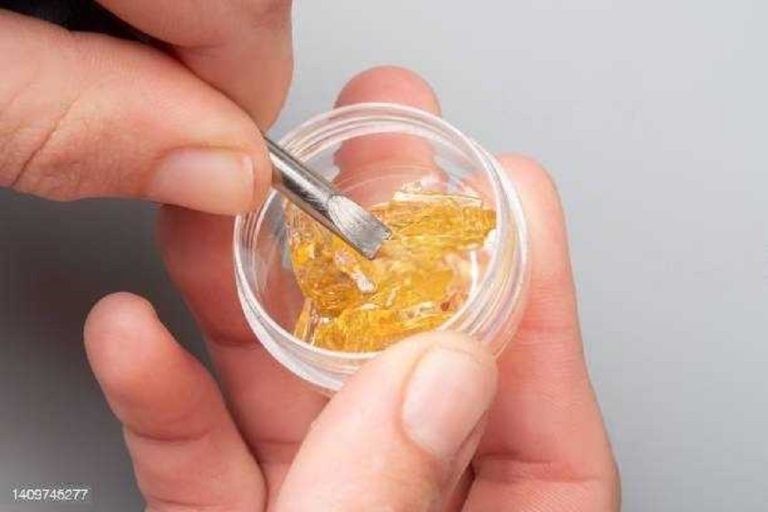
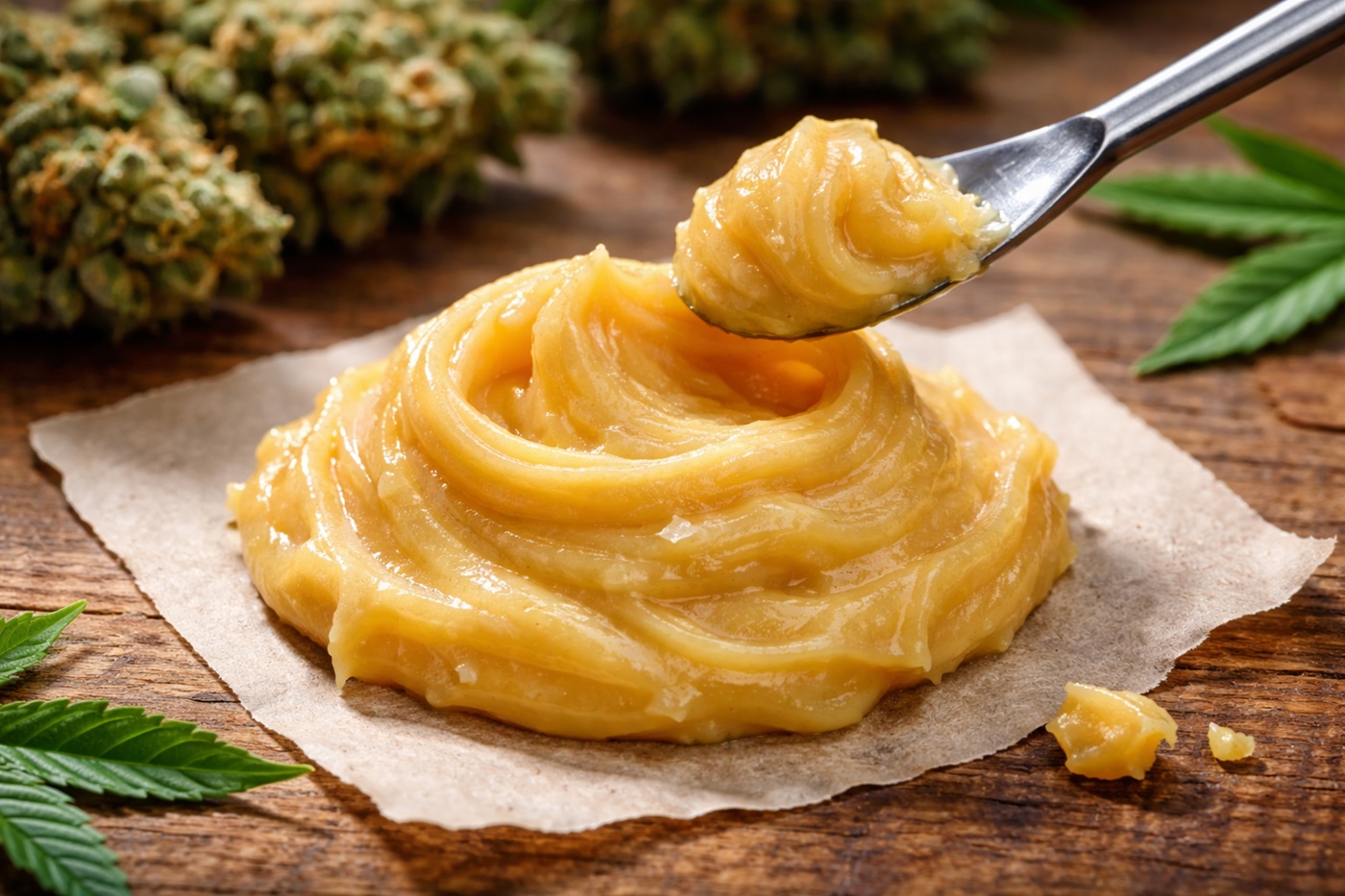
Cannabis budder is a type of cannabis concentrate known for its soft, whipped, butter-like consistency. It sits somewhere between wax and sauce on the texture spectrum—thicker than oil but creamier than crumble. Budder is typically light golden to deep yellow in color and has a smooth, spreadable appearance that resembles cake frosting or softened butter.
Like other concentrates, budder is made by extracting cannabinoids (such as THC or CBD) and terpenes from cannabis flower. What makes budder unique isn’t just the extraction process, but how the extract is handled afterward, which gives it its signature texture.
How Is Budder Made?
Budder is most commonly produced using hydrocarbon extraction, usually with butane or propane (or a blend of both). During this process, solvents pull cannabinoids and terpenes from the plant material. After extraction, the solvent is carefully purged away using heat and vacuum.
The key step that turns a cannabis extract into budder is controlled agitation and whipping during purging. This mechanical action causes the cannabinoids to crystallize in a way that traps solvents and air, resulting in the creamy, opaque texture budder is known for.
It’s important to note that high-quality budder is produced in professional, regulated labs. Home extraction using solvents can be extremely dangerous and should never be attempted.
Budder Texture Explained
Texture is one of the biggest reasons people are drawn to budder. Compared to other concentrates:
- Smoother than wax: Budder is less crumbly and easier to handle.
- Thicker than sauce: It doesn’t separate into liquid and crystals.
- More stable than shatter: Budder is less sensitive to temperature changes and won’t snap or melt easily.
This stability makes budder especially appealing to beginners, as it’s easier to scoop and dose without making a mess.
How Potent Is Cannabis Budder?
Cannabis budder is significantly more potent than flower. While traditional cannabis buds typically contain 15–25% THC, budder usually ranges from 60% to 90% THC, depending on the strain and extraction quality.
Because of this high potency, even a very small amount can produce strong effects. New users should start with tiny doses, often referred to as a “dab the size of a grain of rice,” and wait to see how it affects them before consuming more.
Budder can also be made from CBD-dominant strains, offering therapeutic effects without intense intoxication, making it suitable for medical users as well.
Flavor and Aroma
Budder is often praised for its rich flavor and strong aroma, thanks to its high terpene content. Terpenes are the aromatic compounds responsible for cannabis’s taste and smell, and when preserved properly, they enhance both the sensory experience and the effects.
Depending on the strain, budder may taste earthy, citrusy, fruity, gassy, or sweet. Many consumers choose budder specifically for its balance of potency and flavor, especially when compared to more processed concentrates.
Common Ways to Use Cannabis Budder
Cannabis budder is versatile and can be enjoyed in several ways:
- Dabbing: The most popular method is dabbing, which involves vaporizing a small amount of budder on a heated surface (called a nail or banger) and inhaling the vapor through a dab rig. This method delivers fast, powerful effects and preserves flavor when done at lower temperatures.
- Vaping: Some vape devices are designed specifically for concentrates. Using budder in a concentrate-compatible vape offers a more portable and discreet alternative to dabbing.
- Topping Flower: Budder can be added on top of a bowl or mixed into a joint or blunt. This boosts potency but should be used sparingly, as concentrates burn hotter and stronger than flower alone.
- Infusions (Advanced Use): While less common, budder can be decarboxylated and infused into oils or butter for edibles. Due to its potency, precise dosing is critical with this method.
Is Budder Good for Beginners?
Budder can be beginner-friendly in terms of handling, but not necessarily in potency. Its soft texture makes it easy to work with, especially compared to shatter. However, the high THC content means beginners should approach it cautiously.
Tips for beginners:
- Start with very small amounts
- Use lower temperatures when dabbing
- Avoid mixing with alcohol
- Choose strains with balanced THC-to-CBD ratios if available
Conclusion
Cannabis budder is a popular concentrate known for its creamy texture, high potency, and flavorful experience. It offers a middle ground between ease of use and strength, making it appealing to both experienced consumers and curious newcomers. While its potency demands respect, proper dosing and responsible use can make budder an enjoyable and efficient way to experience cannabis.
About the Author