
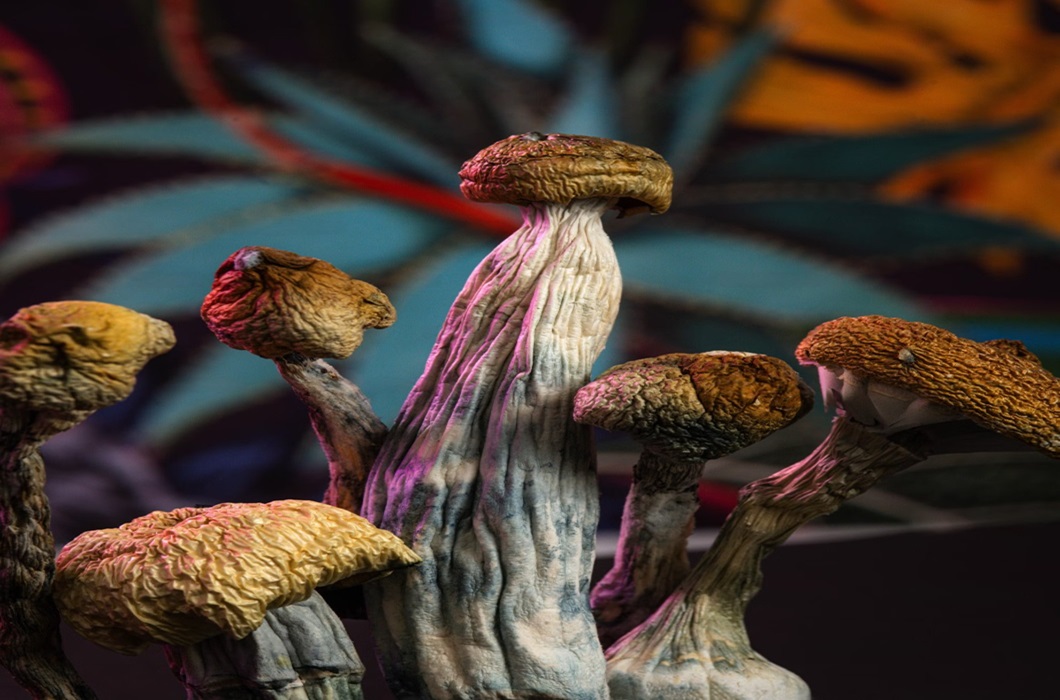
Addiction recovery is a complex journey that often requires a combination of medical treatment, therapy, and lifestyle changes. In recent years, research into psychedelics has shown promising results, particularly with psilocybin—the active compound in magic mushrooms—as a potential tool in supporting recovery from substance use disorders.
Understanding Psilocybin and Its Effects
Psilocybin is a naturally occurring psychedelic that affects serotonin receptors in the brain, leading to altered perception, enhanced introspection, and shifts in emotional processing. While traditionally associated with recreational use, emerging studies highlight its therapeutic potential. Psilocybin can create profound, often transformative experiences, allowing individuals to reflect on deeply ingrained behaviors and thought patterns—something that conventional therapies may struggle to achieve.
Breaking Addictive Patterns
Addiction often involves habitual thought loops, compulsive behaviors, and difficulty managing cravings. Psilocybin has shown potential in disrupting these patterns. During guided sessions, individuals may gain insights into the root causes of their addiction, including trauma, stress, or emotional pain. This heightened self-awareness can help break the cycle of dependency by fostering new perspectives and motivating lasting behavioral changes.
Reducing Cravings and Withdrawal Symptoms
Several studies suggest that psilocybin-assisted therapy can reduce cravings for substances such as alcohol, nicotine, and opioids. For example, participants in clinical trials have reported a decrease in the urge to consume addictive substances following structured psilocybin sessions. The compound may help recalibrate the brain’s reward system, making addictive behaviors less compelling and supporting long-term recovery.
Enhancing Emotional Resilience and Mindfulness
Magic mushrooms also appear to support emotional regulation, a critical factor in sustaining recovery. Psilocybin experiences can promote mindfulness, helping individuals stay present and respond more effectively to triggers. By fostering a sense of connection—to themselves, others, and the world—people in recovery may feel less isolated and more equipped to handle emotional challenges without resorting to substance use.
The Role of Professional Guidance
It is important to note that psilocybin therapy for addiction recovery is not a standalone cure. Safe and effective use requires professional supervision, typically involving trained therapists and structured sessions. Integrating psilocybin experiences with established recovery programs, such as counseling and support groups, maximizes the potential for meaningful, lasting outcomes.
Looking Ahead
Research on psilocybin and addiction recovery is still in its early stages, but the results so far are promising. Many participants report life-changing insights, reduced cravings, and improved emotional wellbeing. As clinical studies continue to expand, psilocybin may become a recognized adjunct in comprehensive addiction treatment programs.
For individuals exploring new approaches to recovery, magic mushrooms could offer a unique pathway toward self-understanding, emotional healing, and long-term sobriety. With careful guidance and structured support, psilocybin may become a valuable ally in the fight against addiction.
About the Author

