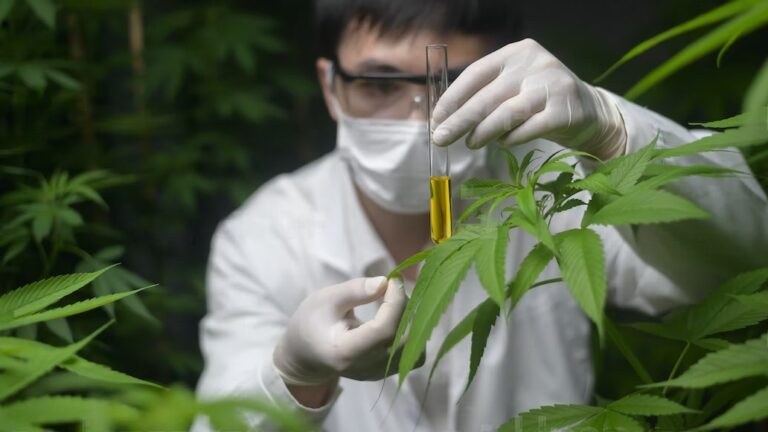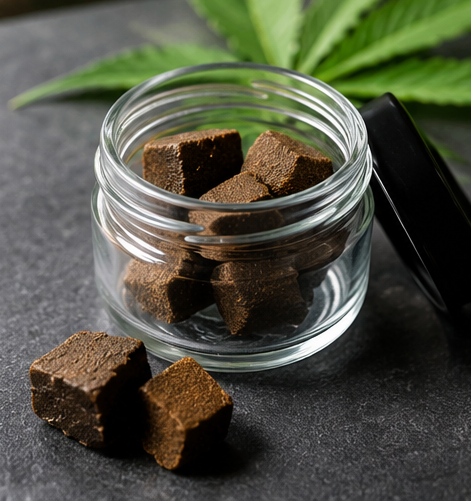
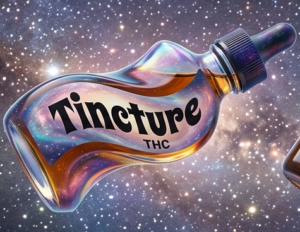
THC tinctures have become a well-known cannabis product because they offer a liquid format that can be measured and used in different ways. These products are typically made by extracting cannabinoids from cannabis and combining the extract with a suitable carrier liquid. Depending on the formulation, THC tinctures may contain different cannabinoid profiles, ingredients, and concentrations. Understanding these differences can help adults make informed decisions about product composition, safety, and suitability.
What Are THC Tinctures?
THC tinctures are liquid cannabis formulations containing tetrahydrocannabinol (THC), the compound primarily responsible for the intoxicating effects of cannabis. They commonly come in small bottles with droppers that help measure liquid quantities. Some products contain THC as the main cannabinoid, while others combine THC with cannabidiol (CBD) or additional cannabis compounds.
Tinctures may be formulated using carrier oils or alcohol-based liquids. The choice of ingredients affects the product’s texture, taste, storage requirements, and intended method of use. Consumers should always review the ingredient list, THC concentration, and manufacturer instructions before considering any cannabis product.
Different Types of THC Tinctures
1. THC-Dominant Tinctures
THC-dominant tinctures are formulated primarily around tetrahydrocannabinol, with little or no CBD. Their effects depend on the THC concentration, the amount consumed, individual tolerance, and other personal factors. These products may cause intoxication, impaired coordination, anxiety, or dizziness, particularly when the dose is higher than expected.
Checking the THC content per millilitre and per serving is essential for understanding the product’s strength.
2. Balanced THC and CBD Tinctures
Balanced tinctures contain both THC and CBD in specified proportions. Some formulations offer approximately equal amounts of each cannabinoid, while others use different ratios. CBD is not intoxicating in the same way as THC, but its presence does not eliminate THC-related impairment or guarantee a particular experience.
Consumers should examine the labelled quantities of both cannabinoids rather than relying solely on descriptions such as balanced or full-spectrum.
3. Full-Spectrum THC Tinctures
Full-spectrum tinctures generally contain THC alongside other naturally occurring cannabis compounds, potentially including minor cannabinoids and terpenes. The exact composition varies according to the cannabis source, extraction process, and manufacturing standards.
These products may appeal to adults interested in a broader cannabinoid profile. However, full-spectrum does not automatically mean stronger, safer, or more effective. Independent laboratory testing can help verify cannabinoid content and screen for contaminants.
4. Broad-Spectrum and Isolate-Based Formulations
Broad-spectrum formulations may contain multiple cannabis compounds while excluding or reducing THC, depending on the product’s design. Therefore, consumers should not assume that every broad-spectrum tincture contains a meaningful amount of THC.
Isolate-based tinctures, by comparison, use a purified cannabinoid as their principal active ingredient. Products specifically formulated with THC isolate may offer a more targeted cannabinoid profile, although the final composition depends on the manufacturer’s formulation and testing.
5. Oil-Based and Alcohol-Based Tinctures
Oil-based tinctures use carrier oils to deliver cannabinoids in liquid form. Alcohol-based tinctures use alcohol as a solvent or carrier and may have a more noticeable taste. Both formats differ in their ingredients, handling requirements, and product instructions.
The appropriate format depends on the formulation, ingredient sensitivities, and labelled directions. Consumers should never assume that different tinctures are interchangeable on a millilitre-for-millilitre basis.
Choosing THC Tinctures Responsibly
Before selecting a tincture, check its cannabinoid concentration, ingredient list, expiry date, and independent laboratory results. Keep all cannabis products away from children and pets, and avoid driving or operating machinery while impaired. Effects can be delayed and prolonged, particularly when THC is swallowed. Adults should follow product instructions and applicable local laws, and consult a qualified healthcare professional about possible medication interactions.
Understanding the available formulations makes it easier to compare products based on verified information rather than marketing claims. For adults researching where to buy thc tincture online canada, checking provincial regulations, legal retail requirements, product labelling, and third-party testing can help support a more informed purchasing decision.
About the Author